

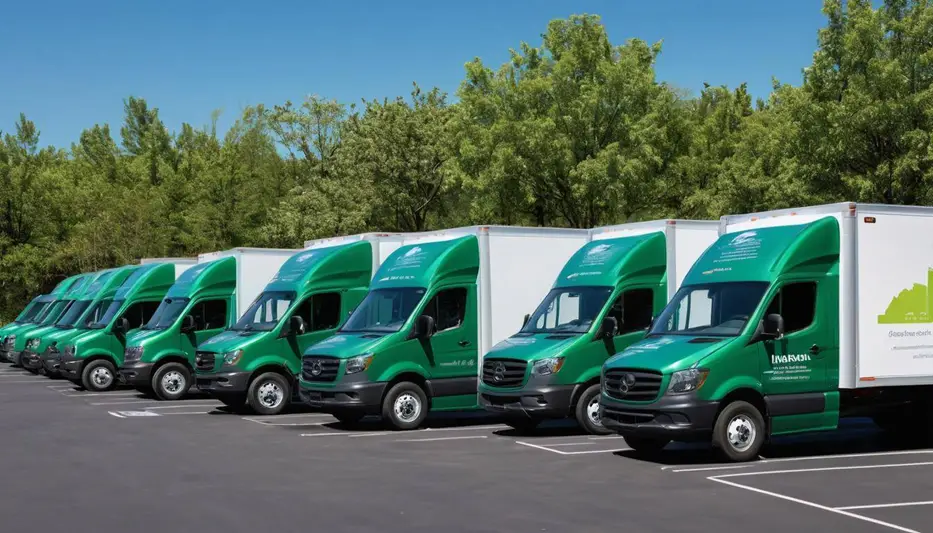
The latest industry trends in fleet fuel management include a focus on safety through advanced real-time monitoring technologies, a shift towards electrification and sustainability with the adoption of electric vehicles, data-driven predictive maintenance to prolong vehicle lifespan, enhanced fuel efficiency measures utilizing telematics, and investment in connected fleet technology for improved operational insights. These trends reflect the industry’s commitment to reducing costs and improving efficiency through innovation.
Managing a large fleet’s fuel costs through fuel cards isn’t just about monitoring prices at the pump. It’s about embracing cutting-edge technologies and adapting to new regulations that demand cleaner and more efficient operations. With advancements in Artificial Intelligence (AI), Internet of Things (IoT), and machine learning, the ways we handle fleet fuel management have evolved dramatically. These tools not only offer real-time tracking and predictive maintenance but also improve route planning to cut down fuel expenses significantly.
But it’s not just tech that’s driving change. Stricter emissions regulations necessitate the adoption of electric or hybrid vehicles. Additionally, clients now place high value on sustainability, making efficient fuel management vital for staying competitive. Imagine leveraging smart sensors that monitor tire pressure or driver behavior to find hidden opportunities for cost savings. This article dives into these innovations with detailed research and expert insights curated meticulously for you. Now, let’s explore how these trends translate into practical actions you can take today.
Future of Fleet Fuel Management: An Overview
As we look ahead, the evolution of fleet fuel management will be underscored by a significant shift towards smarter and more efficient practices. The convergence of technological advancements enhances operational efficiency and positions companies to significantly reduce their carbon footprint.
For instance, consider the impact of real-time data analytics. By capturing vital information regarding fuel usage and vehicle performance, companies can pinpoint inefficiencies and make informed decisions to optimize fuel consumption. This blends seamlessly with predictive maintenance strategies, ensuring that vehicles run smoothly—creating a proactive approach to fleet management.
Furthermore, as regulatory pressures tighten each year, businesses face the imperative to innovate or risk obsolescence. Consequently, there is an accelerated adoption of electric and hybrid vehicles across many fleets. These alternatives not only aid in compliance but also appeal to a customer base increasingly concerned about sustainability. Fleet managers now confront the dual challenge of integrating cleaner technologies while maximizing existing assets—a task requiring both strategic foresight and adaptability.
In response to market demands, companies prioritize transparency in their operations. Customers today are likely to choose suppliers who can showcase their commitment to environmentally sound practices.
This trend is so pronounced that innovative solutions—like sustainable fuel sourcing and carbon offset programs—are becoming competitive differentiators. Those who embrace these strategies can improve their corporate standing while enhancing their bottom line.
The implications are clear: successful fleet fuel management will hinge upon balancing technological integration with sustainable practices that meet contemporary market expectations. This evolving landscape invites fleet managers to become forward-thinking, setting the stage for insights into how automated solutions are transforming operational efficiency.
Automated Monitoring and Smart Systems
Automation is no longer just a buzzword; it’s a necessary foundation for effective fleet management. At the heart of this transformation are telematics systems, which gather valuable data on elements such as vehicle location, speed, and fuel consumption. Imagine being able to pinpoint when and where fuel inefficiencies occur with real-time alerts about unauthorized fuel use. This capability not only keeps track of fuel expenses but empowers fleet managers to make immediate adjustments to optimize performance.
Step 1: Integration of Telematics
To set the stage for successful automated monitoring, integrating sophisticated telematics is essential. These systems, much like having a virtual assistant for your fleet, continuously collect data that offers deep insights into operations. When vehicles exhibit erratic fuel consumption readings or travel outside their designated routes, telematics provide clarity by sending relevant alerts. Such insights allow companies to ensure each vehicle operates efficiently, maximizing fuel savings while minimizing unnecessary costs.
Step 2: Implementation of Smart Sensors
Following telematics integration, the next logical step is the implementation of smart sensors. These tiny technological wonders go beyond tracking basic metrics; they explore nuanced areas like tire pressure and engine performance. Imagine receiving real-time updates on tire pressure — maintaining proper inflation can significantly enhance fuel efficiency. According to a report by Frost & Sullivan, fleets that deployed smart sensors witnessed an impressive 15% reduction in fuel use. It’s akin to having a personal mechanic on board who routinely checks that everything is functioning optimally.
Step 3: Utilization of Performance Analytics
Once the data from telematics systems and smart sensors starts rolling in, utilizing advanced performance analytics becomes crucial. Software platforms sift through this wealth of information and translate it into actionable insights tailored for optimal decision-making. For instance, if the data reveals recurring traffic issues in specific areas, the system may suggest alternative routes that bypass congestion. By steering clear of these bottlenecks, fleet operators can mitigate excessive idling time and save both fuel and money.
As automated systems pave the way for improved efficiency, it’s exciting to consider how interconnected devices will further revolutionize fleet operations and decision-making strategies.
Data-Driven Strategies for Fuel Consumption Reduction
Data is a powerful tool that can unlock significant fuel savings in fleet operations. By harnessing this information, fleet managers can make informed decisions that lead to better efficiency and reduced fuel costs. Understanding fuel consumption patterns is crucial. Analyzing driving behaviors can reveal inefficiencies such as excessive idling or erratic acceleration. This insight not only helps identify bad habits but also prompts tailored coaching for drivers, ultimately leading to sustainable fuel practices.
Utilizing Big Data
When it comes to big data, its role cannot be overstated. Fleet managers should leverage analytics to recognize trends and inefficiencies in real-time. For example, a comprehensive analysis may show that certain routes consistently lead to higher fuel consumption due to traffic congestion or unanticipated detours. Armed with this knowledge, managers can adjust routes or timings to avoid these pitfalls and improve operational efficiency, making a noticeable impact on overall fuel expenditure.
Machine Learning Applications
Another emerging frontier is machine learning. Algorithms can process vast amounts of historical data to predict the most fuel-efficient routes dynamically. By integrating factors like historical traffic patterns and current weather conditions, fleets can optimize their travel plans in real time. Rather than guessing which route might be less congested, fleets can use sophisticated predictive models to avoid delays, significantly reducing idle time and lowering fuel consumption.
As we consider these innovations in resource management, it’s vital to recognize how they tie into broader commitments that require thoughtful stewardship of both industry resources and environmental impacts moving forward.
Environmental Sustainability in Fleet Operations
Sustainable fleet operations are no longer optional but essential. Each decision made at every level has direct financial consequences and broader environmental implications. According to the Environmental Protection Agency (EPA), the transportation sector accounts for 29% of greenhouse gas emissions in the United States. This staggering statistic serves as a wake-up call for fleet managers to prioritize eco-friendly practices.
Sustainable Practices
Firstly, one of the most impactful actions fleets can take is the adoption of green technologies. By investing in renewable energy sources, such as solar or wind power for charging stations, companies can significantly reduce their dependency on fossil fuels. Using biodegradable fuels is also essential. These fuels combust cleaner, resulting in lower emissions, and support biodiversity by causing less disruption during extraction processes.
Measuring and reducing the carbon footprint within fleet operations should be part of every manager’s agenda. Fleet managers can utilize sophisticated software tools that track the carbon footprint of each vehicle in real-time. Such tools often provide analytics that highlight inefficiencies, empowering managers to implement more sustainable driving techniques or optimize routes to lower emissions. Simple changes like reducing unnecessary idling can lead to significant reductions in fuel use over time.
Transitioning to more sustainable practices is not only good for the environment but provides a competitive edge by appealing to eco-conscious clients and stakeholders. In today’s market, many customers favor businesses demonstrating responsibility towards our planet. This growing trend encourages fleets to adopt practices aligning with consumer values while moving toward regulatory compliance.
As we look towards the future of fleet fuel management, it is clear that the integration of technology, data, and sustainability practices will define successful fleet operations. This holistic approach ensures that companies are not only efficient but also responsible stewards of the environment.
Embracing sustainability isn’t just about compliance or ethics; it can also drive profitability and enhance brand loyalty in an ever-evolving market. Forward-thinking fleets will thrive by prioritizing these innovations and strategies.